Chiller AC Repair in Dubai
Overview of chiller systems in Dubai
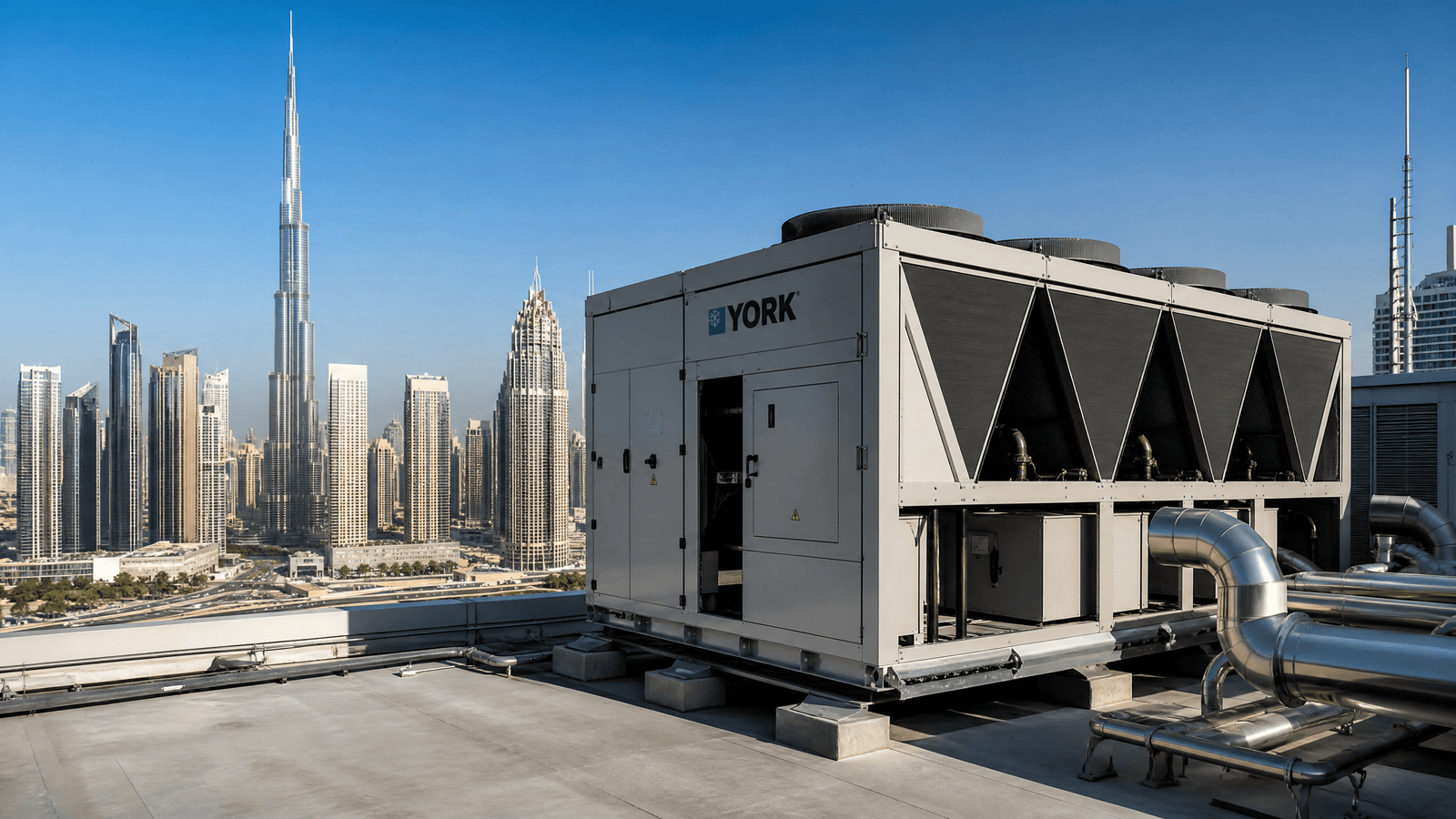
Dubai relies on a mix of air cooled and water cooled chillers to keep large facilities comfortable and productive. Common models include Carrier, Trane, York, and Daikin units, with options like centrifugal, screw, and reciprocating chillers. These systems serve everything from high rise offices to data centers and hospitality venues.
Regular cooling is essential in a hot desert climate, where demand spikes during peak summer months. Proper selection and installation influence energy use, reliability, and tenant comfort across all seven Emirates. For example, a well tuned water cooled plant can reduce peak electricity demand by 15% compared to an unmanaged system in July.
Why timely repair matters for businesses and households
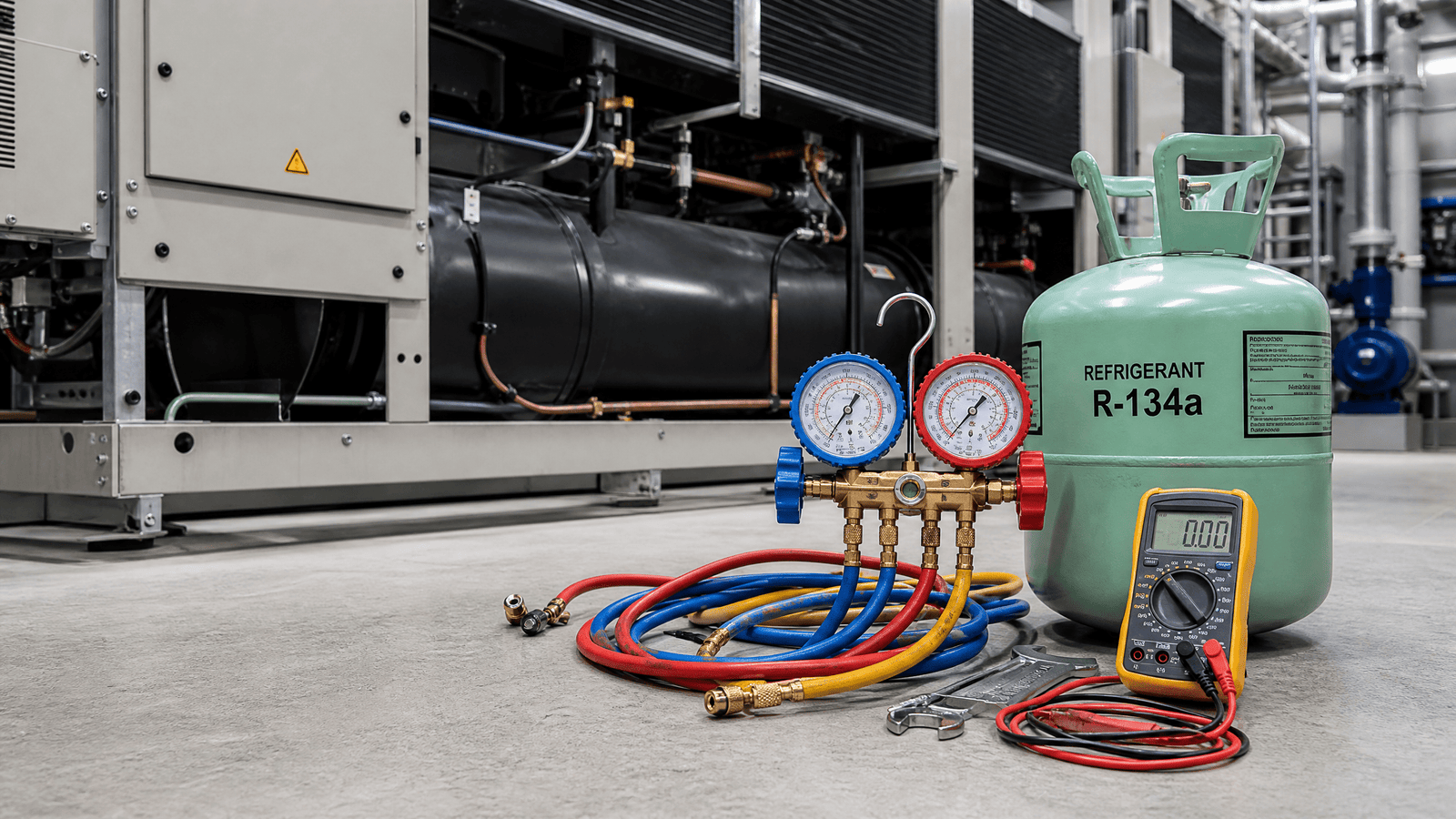
Delays in chiller repairs can lead to temperature fluctuations, equipment stress, and higher energy bills. For businesses, downtime directly impacts operations, safety, and guest satisfaction. For households, comfort and indoor air quality are at stake during heat waves. Timely repair limits outages and extends equipment life. In 24 hours of a compressor failure, a mid sized office building may lose up to 40% of cooling capacity, triggering secondary effects on elevators and data room humidity.
OEM certified maintenance and prompt response minimize risk. Quick diagnostics help preserve cooling capacity while avoiding costly replacements or collateral damage to related systems like AHU and FAHU components. A proactive service window of 48 hours is often enough to restore full operation without expensive overtime charges.
What this guide covers
This guide outlines practical, measurable steps for Chiller AC Repair in Dubai. It emphasizes:
- Key maintenance routines that protect efficiency and uptime, such as vibration checks, refrigerant leak surveys, and condenser coil cleaning.
- Emergency repair readiness and 24/7 response considerations, including on site triage checklists and spare parts forecasting.
- Brand agnostic insights relevant to Carrier, Trane, York, Daikin and other major chiller brands, focusing on common failure modes and universal diagnostics.
By following these steps, property managers and residents can plan maintenance, anticipate needs, and choose qualified service partners like Fixinuae for reliable support. Case in point, a Dubai-based mall reduced downtime by 30% after implementing a quarterly vibration and refrigerant audit program with OEM trained technicians.
2. OEM-Certified Maintenance and Why It Matters
Benefits of OEM-trained technicians
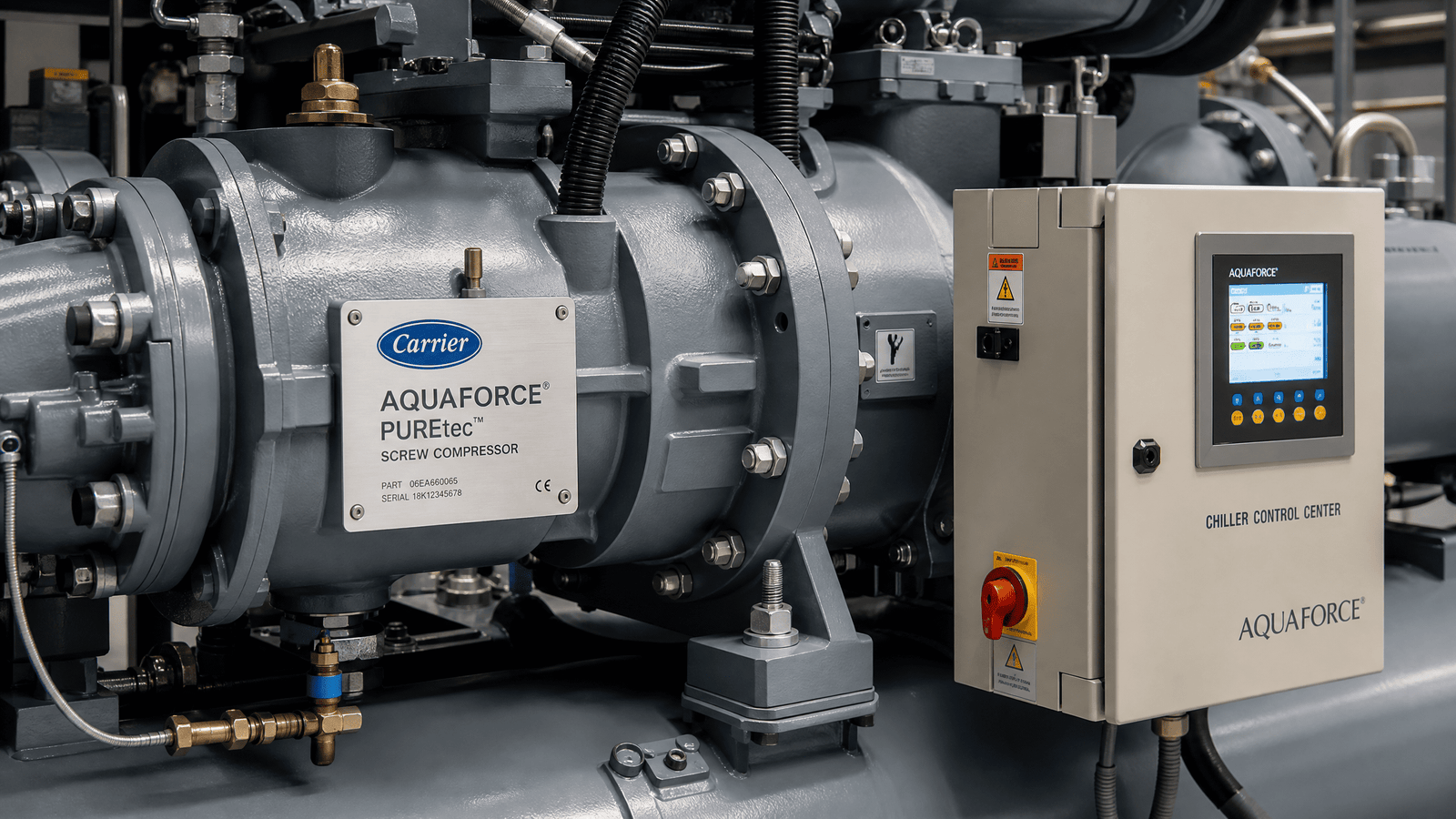
OEM-trained technicians bring deep knowledge of system architecture and factory-approved procedures. This ensures correct calibration, safe handling of refrigerants, and precise fault diagnosis. Their training translates to faster fixes and fewer repeat visits.
With OEM certification, technicians stay current on the latest improvements and safety standards. This reduces the risk of unintended damage during service and aligns maintenance with the original design intent.
Brand compatibility and parts availability
OEM-certified teams maintain access to genuine parts from leading brands. This guarantees compatibility with Carrier, Trane, York, Daikin and other major chiller lines. It also minimizes the chance of mismatched components that could hamper performance.
Having direct access to brand-specific parts supports accurate repairs and longer unit life. It also shortens downtime because critical components are ready when service begins.
Long-term reliability and total cost of ownership
Regular OEM-aligned maintenance preserves cooling capacity and reduces energy waste. A well-maintained chiller operates closer to its rated efficiency, lowering monthly utility costs and extending system life.
OEM-certified upkeep helps prevent sudden breakdowns that trigger high emergency repair bills. It also supports documentation for audits, warranties, and future resale value, contributing to a lower total cost of ownership over the system’s life cycle.
Concrete scenarios and actionable steps
- Scenario: A facility relies on a single chiller for critical cooling during peak summer. Action: Schedule quarterly OEM-guided calibrations to maintain efficiency and prevent sudden outages. Track refrigerant pressures and scroll compressor temperatures during each visit.
- Scenario: A hospital wing needs uptime during renovations. Action: Use OEM-certified teams to install temporary cooling modules with compatible fittings, then perform a brand-specific re-start checklist to resume normal operation without tripping safety interlocks.
- Scenario: A data center experiences fluctuating load. Action: Implement OEM-approved sensor checks and fault code review each 90 days, updating the maintenance log with model numbers and serials for easy warranty verification.
Quality assurance and risk management tips
- Require documentation of all OEM-approved procedures performed, including calibration values and refrigerant handling records.
- Ask for a parts bill that lists genuine components with brand and part numbers to prevent aftermarket substitutions.
- Schedule a post-service test run at full load to verify that efficiency metrics meet manufacturer specifications.
Common pitfalls to avoid
- Avoid mixing OEM-certified technicians with non-certified contractors who lack access to factory procedures.
- Don’t skip preventive maintenance intervals even if the system seems to operate normally.
- Be wary of mislabeled parts that claim OEM compatibility without meeting exact brand specifications.
Summary: OEM-trained technicians deliver precise calibrations, genuine parts access, and longer system life. Concrete planning, documented checks, and adherence to brand standards reduce downtime, protect warranties, and lower total ownership costs over time.
3. Emergency Chiller Repair Services
24/7 response and rapid on-site support
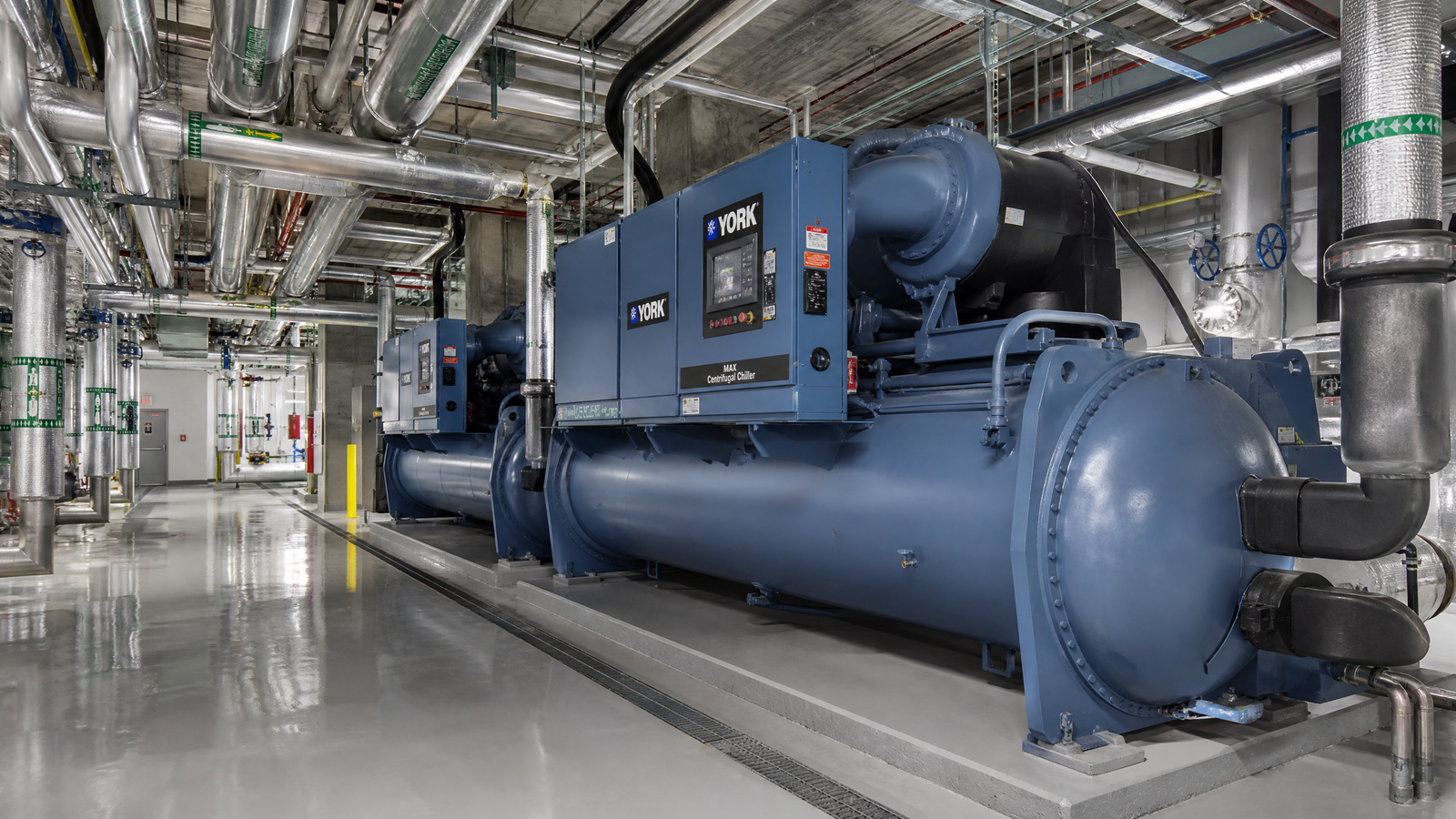
Dubai facilities rely on swift action to minimize downtime when cooling falters. Fixinuae offers around-the-clock response with a technician ready to diagnose on arrival.
On-site priority is given to critical spaces such as hotels, hospitals, and data centers, ensuring essential cooling is restored first and disruptions are kept to a minimum.
Troubleshooting priorities during peak demand
During peak season, we focus on issues that most immediately affect uptime and energy use. The goal is to identify root causes quickly and lay out a clear repair or replacement path.
- Verify refrigerant pressures and superheat to pinpoint charge or sensor faults.
- Inspect safety controls and interlocks that could halt operation.
- Assess condenser airflow and water-side heat transfer for bottlenecks.
- Review variable frequency drives and motor loads to prevent overloads.
Each assessment informs a targeted fix and a plan for permanent repair if needed.
Minimizing downtime and operational impact
Emergency dispatch combines rapid mobilization with precise fault isolation to cut downtime. Clear communication covers timelines, part availability, and alternative cooling options to safeguard operations.
- Temporary cooling strategies may include staged load shedding and zoning adjustments.
- Prioritized scheduling for critical facilities reduces occupant discomfort and risk to staff.
- Transparent reporting on repair scope, costs, and next steps supports informed decisions.
Swift on-site diagnostics and a realistic repair plan help maintain asset value. Fixinuae coordinates with clients across Dubai, Abu Dhabi, Sharjah, and nearby emirates to ensure timely escalation when needed.
4. Chiller Brands and System Types We Service in Dubai
Carrier, Trane, York, Daikin and other major brands
Brand compatibility matters for warranty and performance. Fixinuae technicians are OEM-certified to diagnose and repair Carrier, Trane, York, Daikin, and other top names, ensuring parts fit first time.
In a recent hotel retrofit, we paired a Daikin VRV system with existing AHUs, confirming control harmonization and maintaining warranty terms.
Practical steps include verifying serial numbers, checking refrigerant charge against bill of materials, and testing sensors within 5 minutes of startup.
Air-cooled vs. water-cooled chillers
Air-cooled benefits include lower water usage and simpler condenser room routing. For a mid-rise office block, we replaced a failing air-cooled unit with a modern scroll compressor model and achieved a 12% energy improvement.
Water-cooled advantages encompass higher efficiency in large footprints and tighter control of condenser ambient conditions. In a university campus retrofit, a water-cooled chiller with a closed-loop condenser reduced peak demand charges by 18% during summer peaks.
Practical criteria we apply: climate, availability of cooling water, space for towers, and access for service. We document a site assessment checklist and simulate year-round load to select the optimal path.
Centrifugal, screw, and reciprocating chillers
Centrifugal chillers deliver high capacity with strong part-load performance. In a metropolitan mall, a 5,000-ton centrifugal unit reduced kW per ton by 9% after control optimization.
Screw chillers provide solid performance for medium to large campuses, with modular redundancy. For a hospital campus, we deployed two 1,200-ton screw chillers in parallel, cutting unplanned downtime by 25%.
Reciprocating chillers excel where simplicity is critical. A municipal building replaced an aged reciprocating unit, achieving easier maintenance access and a 15% maintenance cost drop after mechanical upgrades.
AHU and FAHU integration considerations
Coordination matters for indoor air quality and comfort. We synchronize chilled water setpoints with outdoor air ventilation and variable air volume schedules to avoid draft and thermal complaints.
In practice, we map sensor networks and confirm cross-communication between the BMS and the AHU/FAHU controllers, validating sequencing within a 1, 2 degree band.
Operational tips include staging fresh air based on occupancy, testing economizer modes, and auditing filter pressures quarterly to prevent coil fouling.
Service scope across Dubai’s spread of systems
Regional coverage spans from Dubai to the northern emirates with on-demand maintenance, repairs, and refurbishments for all configurations.
We implement a regional service calendar, prioritizing critical-path systems during peak months to minimize downtime.
Real-world example: after a midtown tower experienced intermittent compressor cycling, we executed a code-compliant retrofit within 72 hours, restoring full cooling before the weekend load spike.
Summary
Choosing the right brand alignment, chiller type, and integration approach drives reliability and energy efficiency across Dubai’s diverse climate and infrastructure. Our field-tested process ensures compatibility, optimal sequencing, and proactive maintenance for long-term comfort and cost savings.

5. Planned Maintenance and Preventive Care
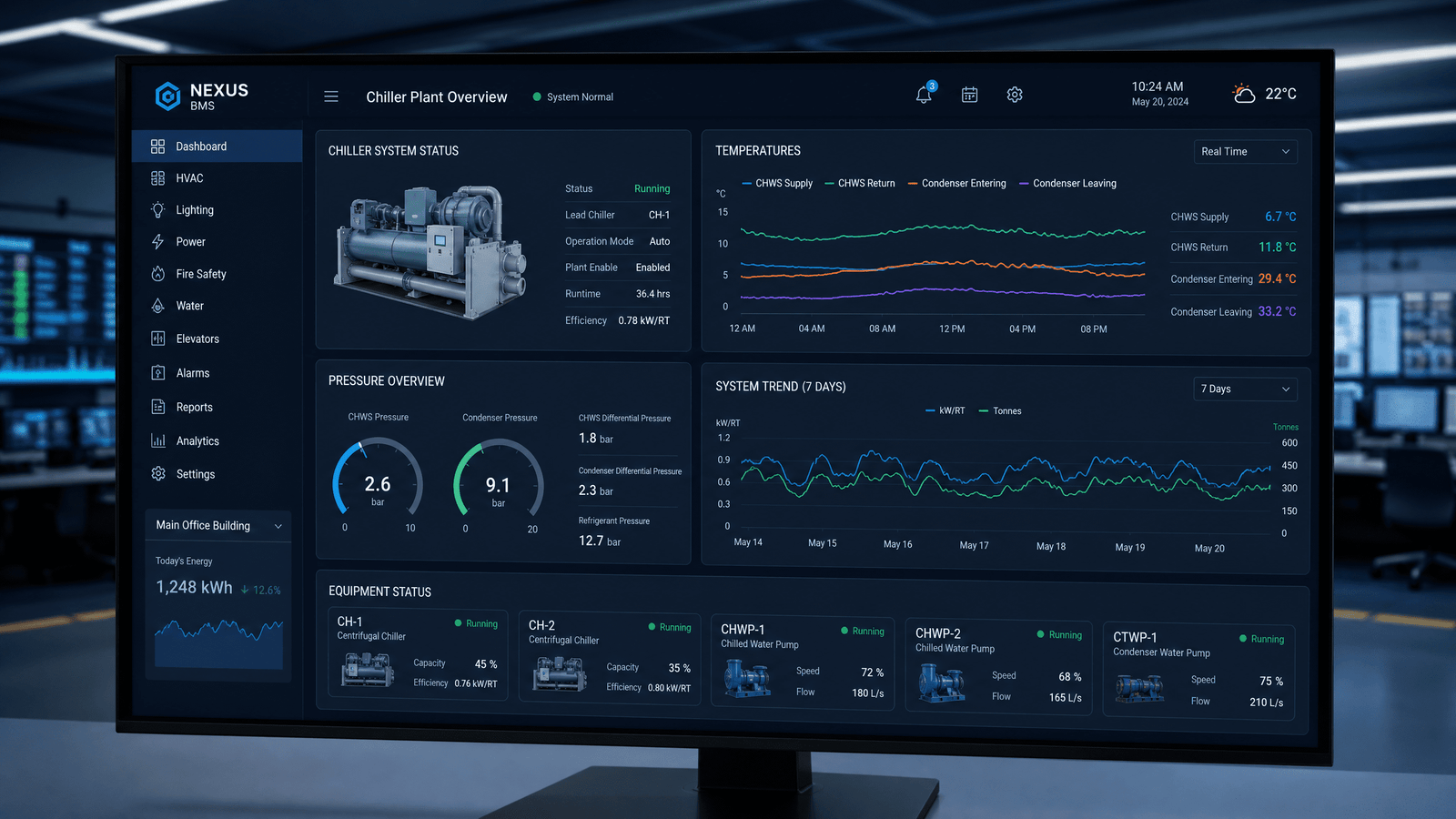
Regular planned maintenance helps preserve cooling capacity and prevent unexpected failures in Dubai’s demanding climate. A proactive schedule keeps facilities running smoothly and reduces the risk of costly downtime.
Recommended maintenance frequency
A practical plan targets seasonal peaks with biannual comprehensive checks and mid-season inspections during high demand. This cadence supports consistent performance and helps extend asset life.
- Biannual comprehensive inspections for most chillers.
- More frequent checks during peak cooling months and after major repairs.
- Annual calibration of control sequences and setpoints to reflect building usage changes.
Key checks and parameter monitoring
Maintenance relies on data-driven assessments that catch early signs of wear or inefficiency. Technicians focus on critical indicators and routine service actions.
- Refrigerant charge verification and leak checks to protect performance and environmental compliance.
- Condenser and evaporator cleanliness to sustain heat transfer efficiency.
- Electrical integrity, including safety switches and contactors, to prevent outages.
- VFDs, motor bearings, and belt tensions to minimize mechanical drag and noise.
- Chilled water flow, pump performance, and valve positioning for proper circulation.
- Control logic and sensor accuracy to ensure correct sequencing and fan operation.
Energy efficiency improvements through maintenance
Smart maintenance can shave energy use while preserving cooling quality. Targeted actions yield measurable efficiency gains over time, especially when tied to real-time operating data.
- Optimizing condenser water temperature and entering water flow to improve COP.
- Upgrading filters and air-handling components to reduce pressure drops.
- Implementing better heat-recovery opportunities where applicable to lower net energy consumption.
- Seasonal schedule tuning for pumps and fans based on occupancy and load patterns.
- Data-driven adjustments to setpoints that balance comfort with power usage without compromising reliability.
6. Troubleshooting: When to Repair vs Replace
Evaluating economics of repair vs replacement
Assess the financial impact by weighing repair costs against the expected remaining life and potential energy efficiency gains from newer models. Include a clear total cost of ownership with downtime considerations and possible penalties for extended outages. For example, a 12 hour outage during peak season can translate into significant lost revenue for a hotel or retail center.
Practical steps: create a side by side comparison using current repair quotes and a fresh equipment quote, then compute simple payback and a net present value over the asset’s remaining life. Add expected energy savings from improved COP to tilt the decision toward replacement when the gap exceeds a few years.
- Estimate repair costs versus a new unit to determine payback periods.
- Model energy efficiency gains from modern chillers and translate them into annual cost savings.
- Factor in warranty coverage, spare parts availability in the UAE, and typical service response times in extreme heat.
Signs that warrant refurbishment or replacement
Early indicators help decide between refurbishment and replacement before a critical failure occurs. Look for patterns that extend beyond a single service call and compare against peers in Dubai’s hospitality and commerce sectors.
- Frequent peak load alarms or rising peak electricity use despite maintenance, signaling diminishing efficiency.
- Irregular chiller cycles or excessive vibration indicating deteriorating compressors or drives and potential bearing wear.
- Recurrent refrigerant leaks with waning repair payoff, suggesting gasket aging or coil corrosion.
- Significant refrigerant charge losses or abnormal pressure readings during normal operation, raising risk of simultaneous compressor unload and hot gas bypass.
Lifecycle planning for critical cooling assets
Plan around the asset’s lifecycle stage to minimize downtime and maximize reliability in Dubai’s climate. Structured planning helps manage high cooling loads from May through September.
- Develop a replacement roadmap aligned with occupancy growth, seasonal peaks, and energy targets.
- Schedule mid life overhauls to refresh controls, pumps, and heat exchangers every 4, 6 years depending on use and water quality.
- Incorporate modular upgrades to limit total downtime during modernization, such as staged controller replacements and plug‑in economizers.
Summary: Weigh upfront costs, downtime, and energy savings, then map a clear path that favors reliability and cost efficiency. In Dubai’s extreme heat, a disciplined lifecycle plan often yields lower total costs and fewer outages over a decade.
7. Case Studies: Dubai Installations and Outcomes
Hotels and hospitality facilities
In high-demand hospitality environments, reliable chiller service minimizes guest discomfort and protects regulatory compliance. Responsive maintenance and timely repairs keep lobby and guest floor cooling steady, especially during peak occupancy.
- Routine preventative care reduces filter-related pressure drops and maintains air quality for large foyers and banquet halls.
- On-site OEM-certified technicians diagnose interlocks and refrigerant anomalies before guest impact occurs.
- Shortening mean time to repair limits guest-facing downtime and preserves service standards.
A city center hotel with a 600-room footprint experiences a summer surge during conferences. A proactive service contract catches a rising head pressure in one chiller, triggering a preemptive valve adjustment that avoids a lobby heat spike and keeps ballroom temps within 22, 24 C.
Practical steps: Create a 24/7 alert queue for critical zones, define escalation matrices for compressor faults, and pre-stage common spare parts in the engineering shop to cut downtime by 20, 40 minutes per incident.
Expert perspective: Industry benchmarks show that hotels with proactive maintenance report 15, 25% fewer guest comfort complaints during peak periods compared with reactive programs.
Caveats and edge cases: A faulty sensor can mimic a refrigerant issue; verify sensor health before refrigerant interventions to avoid unnecessary costs.
Yearly focus: Track filter cleanliness and airflow in high-traffic areas after large events to sustain air quality and occupancy ratings.
Factories and industrial plants
Industrial cooling requires robust uptime to prevent production slowdowns. Proactive planning aligns chiller performance with process cooling curves and seasonal load swings.
- Performance tuning for centrifugal and screw chillers optimizes load distribution across compressors.
- Leak detection and refrigerant management minimize environmental risk and waste.
- Spare parts availability and rapid dispatch support continuous operations during critical shifts.
Real-world scenario: A chemical plant runs a 24/7 reactor cooling loop. When ambient heat spikes push condenser head pressure, a tuned control strategy moves cooling to the smaller chiller first, preserving the larger unit for peak loads and avoiding a production bottleneck.
Actionable tips: Implement a seasonal cooling plan that maps expected load, ambient conditions, and downtime windows. Stock 24-hour courier availability for critical refrigerants and seals, and run quarterly false-positive tests on leak detectors to keep alarms meaningful.
Data point: Plants with integrated predictive maintenance report 12, 18% annual reduction in unplanned outages due to smarter fault forecasting.
Common misstep: Over-reliance on single-point sensors can mask distributed cooling faults; use multiple sensors per loop for redundancy.
Commercial buildings and malls
Large commercial assets rely on stable climate control to protect merchandise and occupant comfort. Coordinated maintenance impact is measured in energy use and tenant satisfaction.
- Regular monitoring of chilled water loops reduces pump energy by aligning flow with real-time demand.
- Integrated AHU and FAHU considerations ensure harmonized cooling across zones and floors.
- Emergency response protocols prevent cascading outages during heat events in retail corridors.
Example: In a regional shopping center, a maintenance team uses delta-T trending to throttle pumps during off-peak hours, saving 8% on chiller energy while keeping shop temperatures stable in both fashion wings and food courts.
Steps you can take: Deploy zone-level temperature setbacks after hours, implement a centralized BMS dashboard with live delta-T analytics, and practice quarterly drills for heat-event outages to minimize hold times.
Expert data: Centers with zone-based cooling reporting show improved tenant satisfaction scores by 10, 15 points during summer months when compared with uniform-zone cooling strategies.
Edge case: During major promotions, unexpected crowding can shift heat loads; pre-plan temporary portable cooling to backstop fixed systems without overtaxing the main chillers.
Summary: Proactive, data-informed maintenance across hotels, factories, and malls reduces downtime, saves energy, and sustains guest and tenant satisfaction through planned resilience.
1. FAQ
How often should chiller maintenance be performed in Dubai?
Regular maintenance helps prevent unexpected failures in Dubai’s climate. A practical schedule includes biannual comprehensive service for most commercial systems, with quarterly checks during peak cooling seasons. This cadence supports stable output and energy efficiency.
- Biannual major service: filters, refrigerant levels, and control calibrations.
- Quarterly quick checks: pressure, temperatures, and leak screening.
- Seasonal spike tuning: adjustments for extreme heat periods to maintain performance.
Do repairs cover all major chiller brands?
Yes, repairs cover carriers common in the UAE, including Carrier, Trane, York, Daikin, and other OEM-equivalent systems. Technicians are trained for both air-cooled and water-cooled configurations.
- OEM-certified technicians ensure compatibility with original parts.
- Service covers screw, centrifugal, and reciprocating chillers.
- Brand-specific controls and safety interlocks are respected during repairs.
What are typical emergency response times?
Emergency responses aim to minimize downtime during critical cooling events. A typical window targets on-site arrival within a few hours in urban areas, with priority for facilities handling sensitive processes or high occupancy loads.
- 24/7 chiller response for urgent failures.
- On-site diagnostic within the first visit to identify root cause.
- Rapid parts dispatch to shorten repair time where possible.
How can I reduce cooling costs through maintenance?
Maintenance directly influences energy use and reliability. Regular tune-ups help keep equipment near design efficiency and catch inefficiencies early.
- Clean heat exchangers and replace fouled filters to improve heat transfer.
- Optimize chilled water setpoints to balance comfort with load.
- Monitor and improve motor and pump efficiencies, upgrading components as needed.
1. Conclusion
Key takeaways for reliable chiller repair in Dubai
Timely chiller repair safeguards business continuity and occupant comfort in Dubai’s demanding climate. OEM-certified technicians bring brand-specific knowledge and access to original parts, reducing risk during critical repairs. Regular maintenance, emergency response capabilities, and proper system documentation help extend chiller life and stabilize energy use.
Emergency chiller service with 24/7 availability is essential for facilities with strict uptime requirements. A structured maintenance plan focused on monitoring key parameters minimizes unexpected outages and supports predictable operations. Selecting a service partner with local coverage across emirates ensures rapid response and consistent support.
Choosing the right service partner
To choose wisely, compare partners on coverage, response times, and technical credentials. Look for a company that can service major brands such as Carrier, Trane, York, and Daikin, and that offers both air-cooled and water-cooled solutions. Certification and trained technicians correlate with faster diagnostics and better first-time fixes.
- OEM-certified technicians with access to brand-specific knowledge and original parts, reducing downtime during critical repairs. For example, a certified technician can quickly identify a refrigerant issue in a Carrier module and replace the exact valve without introducing compatibility risks.
- Broad brand compatibility covering leading makers like Carrier, Trane, York, and Daikin, plus retrofit options for aging systems. This enables seamless service across multi-brand campuses and mixed fleets.
- 24/7 emergency response with guaranteed arrival times and priority routing. In a hospital campus, a 2-hour regional response window can prevent downtime in critical cooling zones.
- Comprehensive maintenance plans that include quarterly inspections, vibration analysis, and refrigerant charge audits. A plan might schedule belt and pump checks every 6 months and a full performance tune-up annually.
- Visible parts availability and rapid dispatch with regional stock depots and expediting options. Having commonly worn components on hand, such as fans, contactors, and capacitors, reduces repair lead times from days to hours.
Practical steps for reliability
Establish a maintenance calendar aligned to the chiller model and use data-driven thresholds. For example, set alarms for leaving condenser pressure and evaporator superheat that trigger preventive actions before failure modes develop.
Implement a standardized handover process when shifts change, including last maintenance notes, recent sensor readings, and next tasks. This reduces miscommunication and accelerates diagnostics during urgent calls.
Ask for performance benchmarks from the partner, such as mean time to repair (MTTR) and first-time fix rate (FTFR). Track these monthly and review against service-level agreements to ensure continuous improvement.
Potential caveats and edge cases
Some facilities may operate with legacy chillers that lack current OEM documentation. In such cases, request retro-commissioning and model-specific blueprints before any major work to prevent mismatched parts or control logic.
Weather extremes can affect response times. If regional density is high, confirm the partner has mobile units and on-site stock in multiple emirates to avoid delays during peak season heatwaves.
Summary
Reliable chiller repair in Dubai hinges on OEM-certified technicians, broad brand coverage, rapid 24/7 response, and clear maintenance plans. Use data, standardized handoffs, and performance benchmarks to drive value and minimize downtime.